The Story Behind the Song
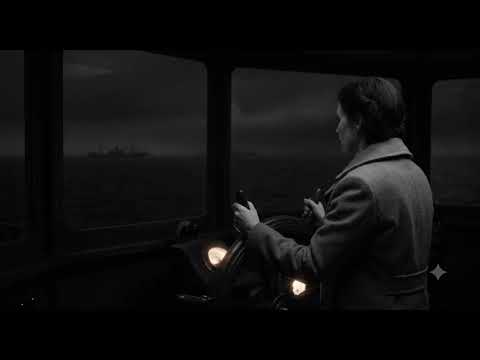
This one is drawn from a true wartime story. In 1942, across the middle of the Atlantic, convoys of supply ships crossed a stretch of ocean so far from land that no air cover could reach them — and the destroyers escorting them held the line between the ships and the U-boats hunting below. Sailors called that stretch the Black Pit.
This one is drawn from a true wartime story. In 1942, across the middle of the Atlantic, convoys of supply ships crossed a stretch of ocean so far from land that no air cover could reach them — and the destroyers escorting them held the line between the ships and the U-boats hunting below. Sailors called that stretch the Black Pit. At the centre of it was a captain keeping watch through the worst of the crossing, holding the line steady for everyone behind him, with no help able to reach him even if he called.
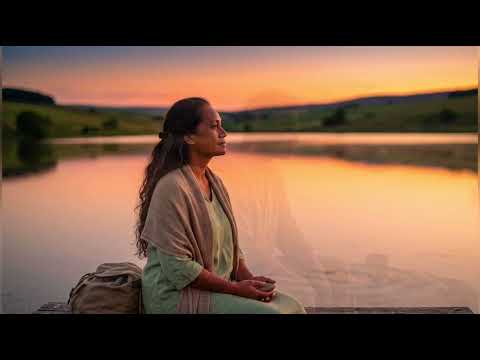
That kind of watch isn't only a captain's. It's a shepherd's. It's a mother's. It's anyone who stays steady in the dark for the people relying on them. This song follows that same watch through a mother's eyes: counting ships, keeping her voice steady for the smaller hands holding onto how steady she sounds, staying awake through the hours when no help could come.
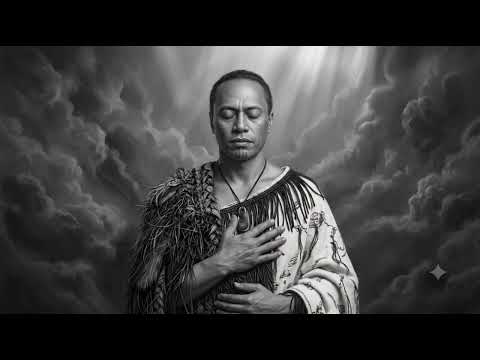
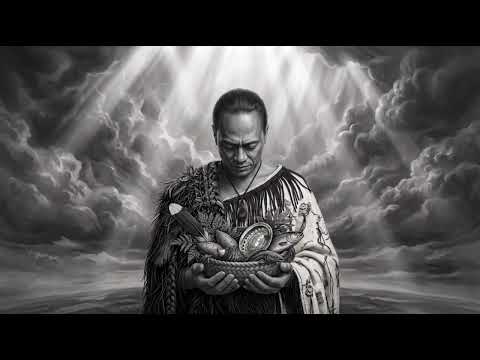
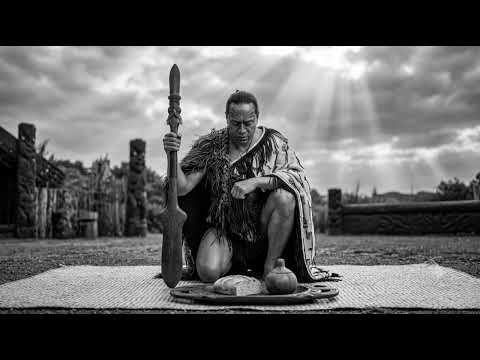
And then, in the dark, something arrives. Not a rescue — just a presence, steady beside her, until the ships make it through. The reo threads through it as its own story too: Te Kore, Te Pō, and Te Ao Mārama trace the same journey the convoy is making — from nothing, through the dark, into light. It teaches four phrases in te reo Māori as it goes, each one repeated with the same meaning every time, so the words stay with you long after the story does.
It teaches four phrases in te reo Māori as it goes, each one repeated with the same meaning every time, so the words stay with you long after the story does.
Lyrics
Te Kore
Nothing yet
Convoy forming up at first light, thirty-some ships and nothing behind us yet
Te Kore
Nothing yet
Every hour still ahead of us, every hour still clean

No one told me how far the coastline runs before it just gives up
No one told me the sky stops covering you
Somewhere past the halfway mark

Te Pō
The dark
Days out from anyone who could reach us if we called, no one's coming
Te Pō
The dark
Down here where the planes can't fly and the water forgets whose side it's on

Radio silence except for the static that isn't static
Something under us, patient, counting ships
I keep the wheel steady and my voice steadier
Because smaller hands are holding onto how steady I sound

No one told me a woman could stay this awake this long
No one told me fear had a schedule
Four hours on, four hours pretending to sleep

Te Pō
The dark
Days out from anyone who could reach us if we called, no one's coming
Te Pō
The dark
Down here where the planes can't fly and the water forgets whose side it's on


Third night. Lost the Polish escort's signal an hour ago.
I stopped waiting for the radio to say something that would help.

[SECOND ELEMENT -- a voice arriving in the silence she leaves, close-mic, unaccompanied, no
instrumentation, unplaceable -- heard, not identified]
"Pō mārie"

Pō mārie
Peaceful night
Said the way you'd say it to somebody you were tucking in
Not to fix the dark. Just to be the one still in the room.

Te Ao Mārama
The world of light
Land coming up grey on the horizon, and the count of ships is the same as it left with
Te Ao Mārama
The world of light
Not because the dark got smaller. Because someone was already standing in it.

Te Pō
The dark
Days out from anyone who could reach us if we called, someone came
Te Pō
The dark
Down here where the planes can't fly, somebody still found a way to

Te Ao Mārama
The world of light

---
 James Sinclair